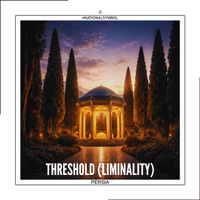
National Symbol. Persia. 🌿🌲 Cypress — Threshold (Liminality)
- Foundation date
05 February 2026
📍 Location:
Tomb of Hafez, Shiraz (Hafezuye)
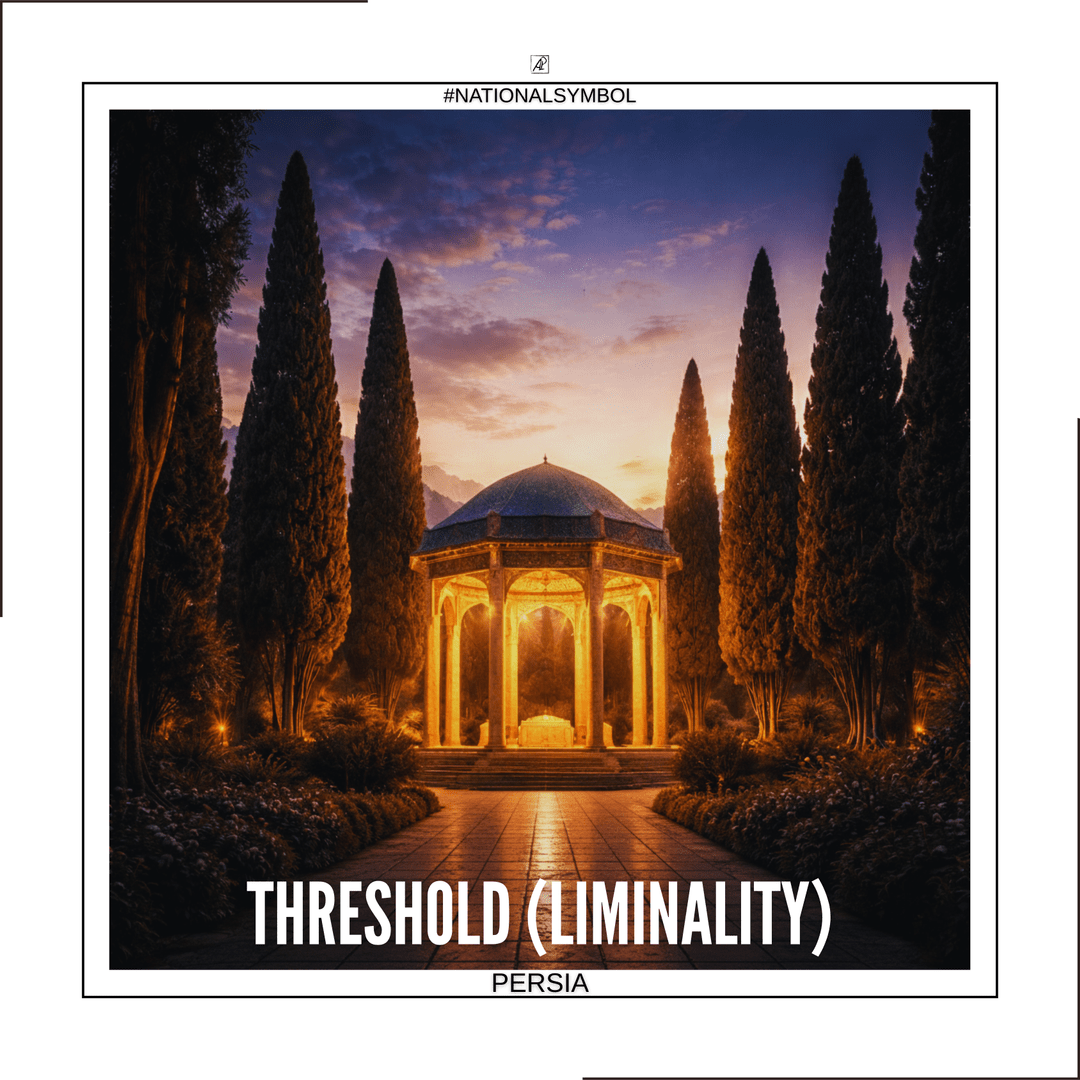
In Persia, cypresses were traditionally planted near tombs and garden entrances. They symbolize liminality — a state of transition where death is not an end but a portal to another state of being. The mausoleum of the great poet Hafez is surrounded by cypresses that act as "antennas" between worlds. The tree stands on the border of the visible and invisible, representing the soul's journey toward eternity, where earthly beauty transforms into divine poetry.
🌿🌲 Cypress — Threshold (Liminality)
Not an end, but a passage. An antenna between worlds.
In Persian culture, the cypress is a tree standing with one root in the earth and its crown in eternity. It does not symbolize death, but transition as a natural state of being. In Sufi thought and the poetry of Hafez, the boundary between the physical world and the world of meaning is not a wall, but a portal.
For Persia, the cypress as a symbol of Threshold represents an acceptance of liminality — the space between history and myth, earth and vertical ascent, human experience and divine poetry. Planted near tombs and garden entrances, it marks transition rather than mourning. The cypress becomes an antenna between the visible and the invisible, teaching continuity through transformation.
Alt-text:
Cypress trees surrounding the Tomb of Hafez in Shiraz at twilight, vertical silhouettes between earth and sky, symbolizing liminality and transition in Persian culture.
#NationalSymbol #Persia #PivtorakStudio #MemoryOn #PoliticalDesign #Cypress #Liminality #Threshold #Transition #Sufism #Hafez #PersianPoetry #SpiritualCulture #Archetype #Verticality #Antenna #SacredGarden #CulturalMemory #MythAndHistory #PersianCulture #Symbolism #Eternity #Silence #Dignity #Presence #Shiraz #HafezTomb
National Symbol. Persia. Cypress. Pivtorak.Studio. 05.02.2026